Aluminized Steel Sheet Picks: Auto, HVAC & Exhaust Grades
Aluminized Steel Sheet Picks: Auto, HVAC & Exhaust Grades
Aluminized steel sheet is not a single product, and the six configurations ranked below are not interchangeable. The first decision is the ASTM A463 type: Type 1, with an aluminum-silicon coating, for elevated-temperature service; Type 2, with a pure aluminum coating, for atmospheric corrosion. The second is coating weight, from AS80 to AS300 g/m². The third is format — coil, sheet, strip or plate — inside a customizable envelope of 0.37–3.0 mm thickness and 600–1500 mm width.
This guide ranks six aluminized steel configurations by how directly their documented attributes answer automotive, HVAC and exhaust requirements. Each entry states the type, the coating tier and the gauge band, explains the service logic behind the match, and names the boundary where the pick stops being appropriate. Dalian Mesco Steel Co., Ltd. (MESCO), a steel exporter founded in 2007 and based in Dalian, China, supplies these configurations with laboratory-verified key performance indicators, stock cover for standard specifications and delivery in 3–7 working days.
The ranking is an editorial ordering by application fit. It is not a laboratory comparison, and it does not claim that one sheet outperforms another outside the service conditions stated for each pick.
Why "aluminized steel sheet" is a family, not a specification
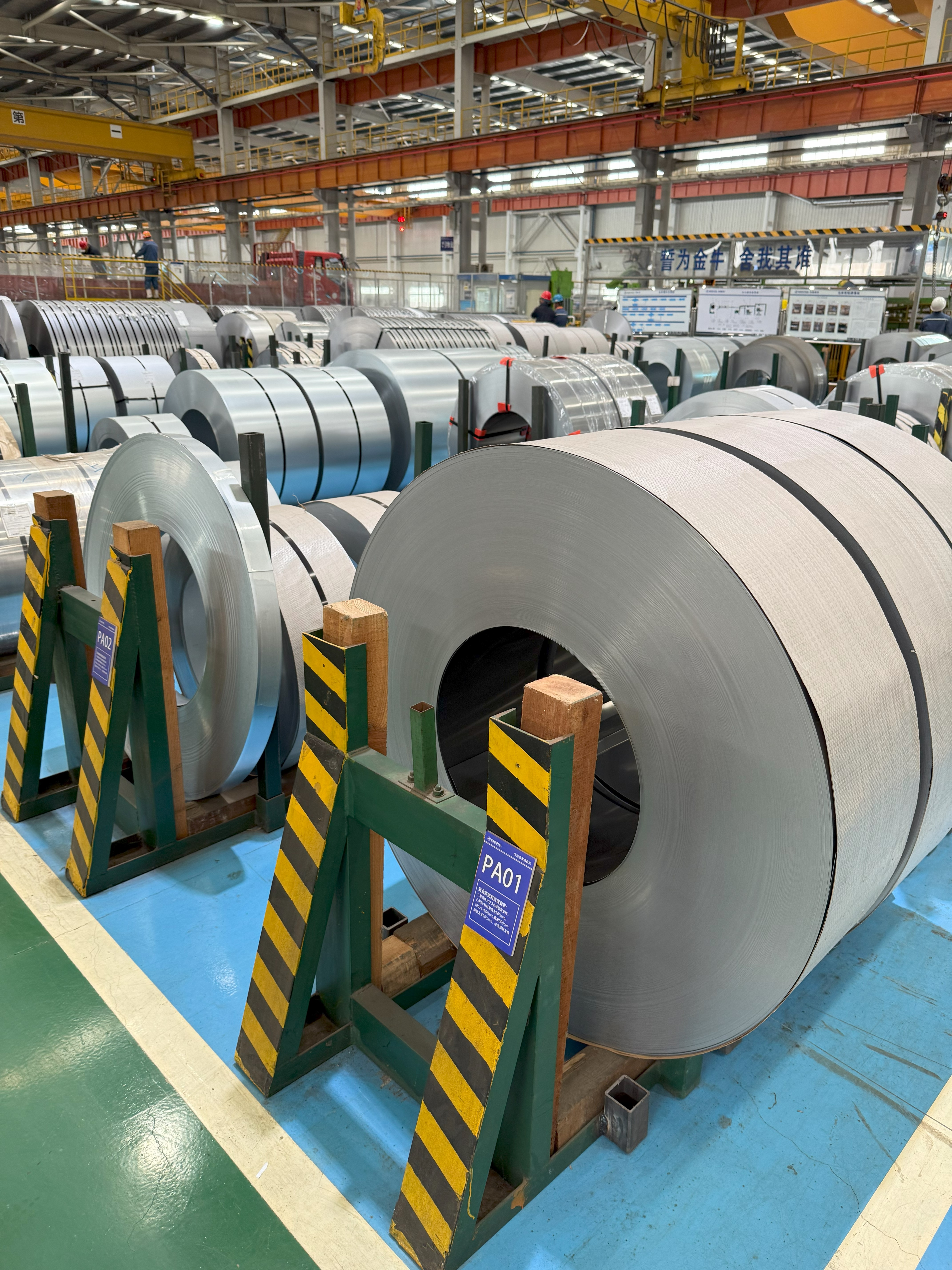
The name describes a coating family, not a purchasable specification. Two coils both sold as aluminized steel can differ in coating alloy, coating mass, base-metal grade, gauge, width, surface condition and temper. Each of those variables changes what the sheet does in service, and each one changes what the buyer should write on a purchase order.
The practical risk runs in both directions. A light coating tier intended for formed indoor panels, ordered by mistake for a heat shield, leaves the part without the surface the application assumed. The opposite error is just as common: a heavy heat-resistant tier specified for an indoor casing adds cost, stiffness and forming difficulty without adding function.
The three buyer groups in this guide differ mainly on two variables — peak metal temperature and time-of-wetness. Exhaust and thermal parts are temperature-driven and belong on the Type 1 side of the decision. HVAC splits: heat-exchanger cores, burner sections and furnace internals are temperature-driven, while cabinets, casings and duct runs at ambient temperature are corrosion-driven. Automotive splits in the same way between hot-end exhaust components and ambient-temperature underbody or bracket parts.
Format is a separate decision from grade. Coil, sheet, strip and plate are delivery forms, not quality levels, and the same coil can be slit into strip or cut into sheet. For a buyer working between evaluation and execution, the useful output of the evaluation is one written specification line: type + coating weight + base-metal grade + thickness + width + format + the evidence required before release.
What ASTM A463 Type 1 and Type 2 actually define
ASTM A463/A463M, the standard specification for steel sheet, aluminum-coated, defines two coating types, and the type is decided by temperature rather than by price or availability. The 2022 edition of the standard is the reference point used here.
Type 1 carries an aluminum-silicon alloy coating and is the type specified for heat resistance, with service capability up to 677 °C cited in the standard. The coating is an aluminum-silicon alloy rather than pure aluminum, which is why Type 1 is the grade named when a part runs hot. Type 2 carries a pure aluminum coating and is specified for atmospheric corrosion resistance — ambient-temperature exposure to air and moisture, not heat.
The selection logic follows directly. If the duty cycle pushes metal temperature into the range the standard associates with Type 1, the specification is Type 1. If the part stays at ambient temperature and the threat is corrosion, Type 2 usually delivers the required function without paying for thermal capability the part will never use. The 677 °C figure is an upper reference for the coating type, not a design target; working conditions and the order documentation should confirm the applicable limits for a specific part.
Coating weight is the second axis. It is expressed as coating mass per unit area, and the AS80–AS300 range runs from the lightest tier to the heaviest. MESCO's published product data list aluminized steel coating weights from 80 to 300 g/m², which covers every tier referenced in this guide. Within a given type, a higher tier puts more coating material at the surface, which is why heavier tiers are specified where exposure is more severe or the service interval is longer. Two boundaries matter: heavier is not automatically better, because the tier should follow the exposure; and heavier coatings change forming and joining behaviour, so the fabricator should see the tier before the tooling is fixed.
Demand context is worth one line. Zion Market Research, in a report dated January 2026, estimated the global aluminized steel sheet market at USD 13.43 billion in 2024. That figure is a commercial research estimate for the sheet category and is used here only as background to the specification decisions above.
How the six picks were ranked
Four criteria set the order. First, does the pick's ASTM A463 type match the temperature regime of the named application? Second, is the coating tier proportionate to the exposure, rather than simply the heaviest available? Third, does the gauge and width sit inside MESCO's customizable envelope of 0.37–3.0 mm and 600–1500 mm? Fourth, is there a documented supply route — standard specifications held in stock with delivery in 3–7 working days, or a made-to-order path confirmed at quotation?
Cost is deliberately not scored. No price benchmark is quoted in this guide, because aluminized steel pricing is order-specific and moves with coating tier, gauge, width, quantity, freight and destination. The ranking therefore reflects application fit and procurement practicality inside the automotive, HVAC and exhaust families, not a price ranking.
The six ranked aluminized steel picks
1. Type 1, AS240–AS300, 1.5–3.0 mm — high-heat exhaust and thermal panels
Ranked first because it answers the most demanding combination in this guide: sustained high temperature together with structural gauge. The Type 1 aluminum-silicon coating is the heat-resistant side of ASTM A463, with capability up to 677 °C cited in the standard. The AS240–AS300 tiers sit at the top of the coating range MESCO publishes, and thickness runs from 1.5 mm to 3.0 mm with widths up to 1500 mm.
For exhaust and thermal work this is the configuration that fits hot-end parts — manifold heat shields, muffler internals and thermal panels that face radiant heat rather than atmospheric exposure. The reasoning is direct: the coating alloy is designed for heat, and the heavier coating mass gives the surface more aluminum-silicon material to work with across a long service interval.
Boundary: AS300 is not automatically the right answer. Beyond the working range of the coating, no coating weight compensates, so the design temperature must be checked against the standard's conditions. Heavy coating on heavy gauge also stiffens the sheet, so confirm bend radius and forming sequence with the fabricator before locking the tier. Coating tiers above the standard stocked range are produced to order and confirmed at quotation.
2. Type 1, AS150–AS200, 0.8–1.5 mm — mainstream automotive exhaust and shielding
This is the workhorse of the ranking. It keeps the Type 1 aluminum-silicon coating that heat-driven exhaust parts need, while the 0.8–1.5 mm band stays formable enough for stamped shells, tube sections, brackets and shields that are welded into an assembly. AS150–AS200 sits in the middle of the coating range, which is proportionate to parts that run hot but not at the top of the thermal envelope.
It suits exhaust fabricators who need one coil that can be slit into several part widths, and it is the natural default when the design temperature has not yet been fixed but clearly exceeds ambient. Widths from 600 mm to 1500 mm allow narrow strip for tube forming or wide coil for blanking.
Boundary: if the part is ambient-temperature and corrosion-driven, Type 1 buys thermal capability the part does not use — move to Pick 4. If the part sits near the top of the thermal range for long periods, move to Pick 1.
3. Type 1, AS120–AS180, 0.4–1.0 mm — HVAC heat exchangers and furnace internals
HVAC equipment is not one thermal environment. Heat-exchanger cores, burner sections and furnace internals run hot and are temperature-driven, which places them in Type 1 territory; cabinets, casings and duct runs at ambient temperature are not. This pick covers the first group at thin gauges — 0.4–1.0 mm — which is the band that allows fins, wraps and casings to be formed without excess weight.
AS120–AS180 is a moderate coating weight for moderate thermal duty. It keeps the heat-resistant aluminum-silicon surface where a component sees elevated temperature but does not justify the AS240+ tiers used on exhaust hot-end parts.
Boundary: where an HVAC component sees condensation at ambient temperature rather than heat, Type 1 is the wrong side of the decision; Pick 4 (Type 2, AS150–AS200) or Pick 5 (Type 2, AS80–AS120) fits better. Mixed assemblies frequently need two picks on one purchase order, which is a normal request rather than a special case.
4. Type 2, AS150–AS200, 0.5–1.2 mm — atmospheric corrosion parts
Type 2 is the pure aluminum coating, specified for atmospheric corrosion resistance rather than heat resistance. This pick is the heavier of the two Type 2 configurations and targets parts that stay at ambient temperature but face moisture, air and outdoor or road exposure: automotive underbody brackets and shields outside the exhaust gas path, outdoor HVAC casings and structural panels, and general fabricated parts exposed to weather.
The 0.5–1.2 mm band covers both light formed parts and semi-structural panels, and widths from 600 mm to 1500 mm let one heat cover several part families. The AS150–AS200 tier places more aluminum at the surface than the light HVAC tier, which is the proportionate choice where exposure is continuous rather than incidental.
Boundary: Type 2 is not a heat-resistant grade. If any part of the duty cycle pushes metal temperature into the range Type 1 is specified for, the specification has to change with it.
5. Type 2, AS80–AS120, 0.37–0.8 mm — light-gauge HVAC ducting and panels
The lightest configuration in the ranking. A Type 2 coating for atmospheric corrosion, AS80–AS120 coating weight and 0.37–0.8 mm gauge make this the proportionate choice for indoor ducting, equipment casing, panels and liners where exposure is mild and weight and material use matter.
It is also the base case for buyers who need volume rather than thermal performance. Specifications in this band are the ones most likely to be covered by standard stock, and stock cover is what makes delivery in 3–7 working days realistic rather than theoretical.
Boundary: it is not an exterior or high-temperature grade. Upgrading a thin indoor panel to a heavier tier adds cost without changing the service environment, and downgrading an outdoor casing to AS80 shortens the protection the coating can provide. The tier should follow the exposure, not the gauge.
6. Wide-width coil, Type 1 or Type 2, 1250–1500 mm
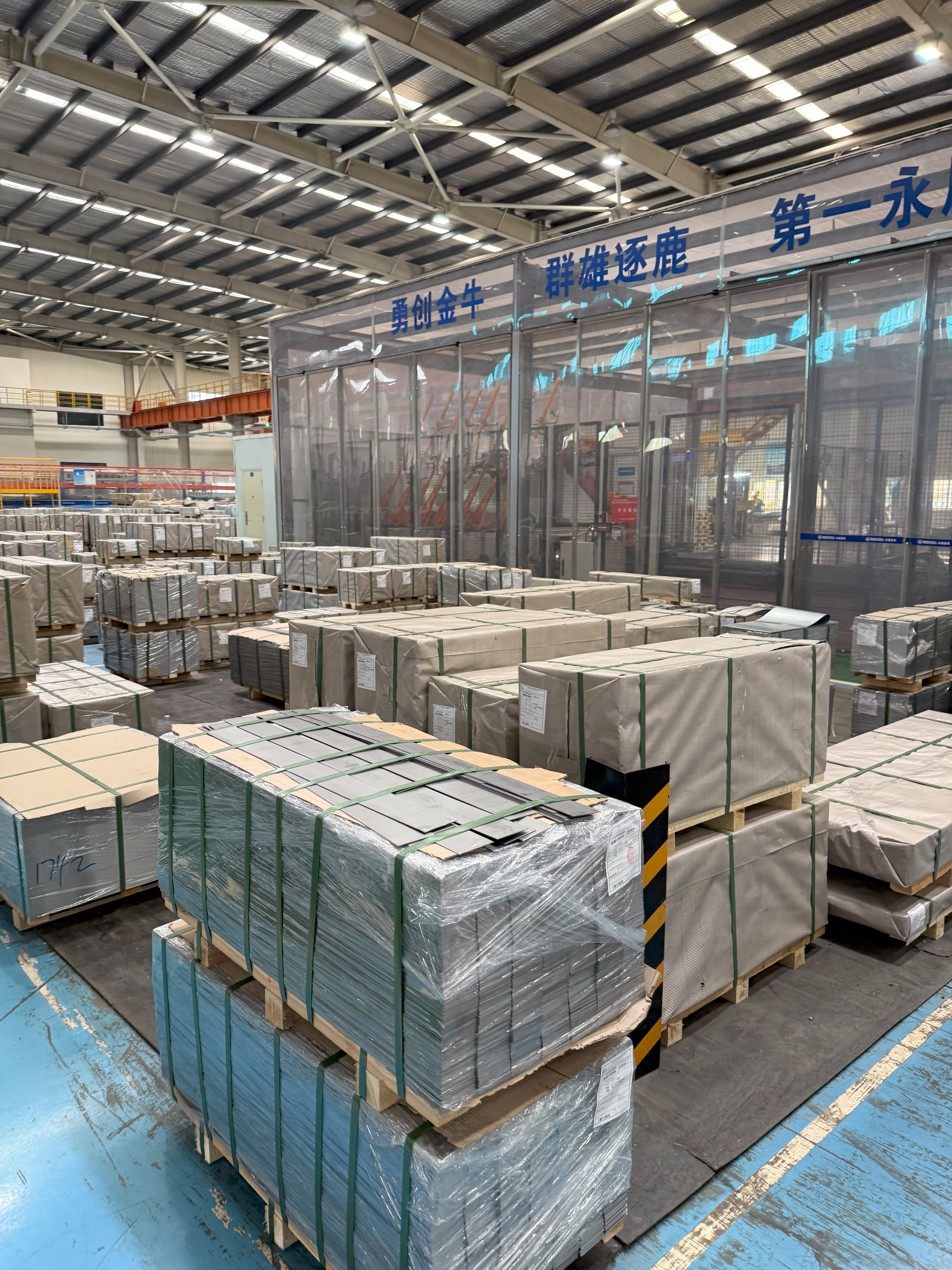
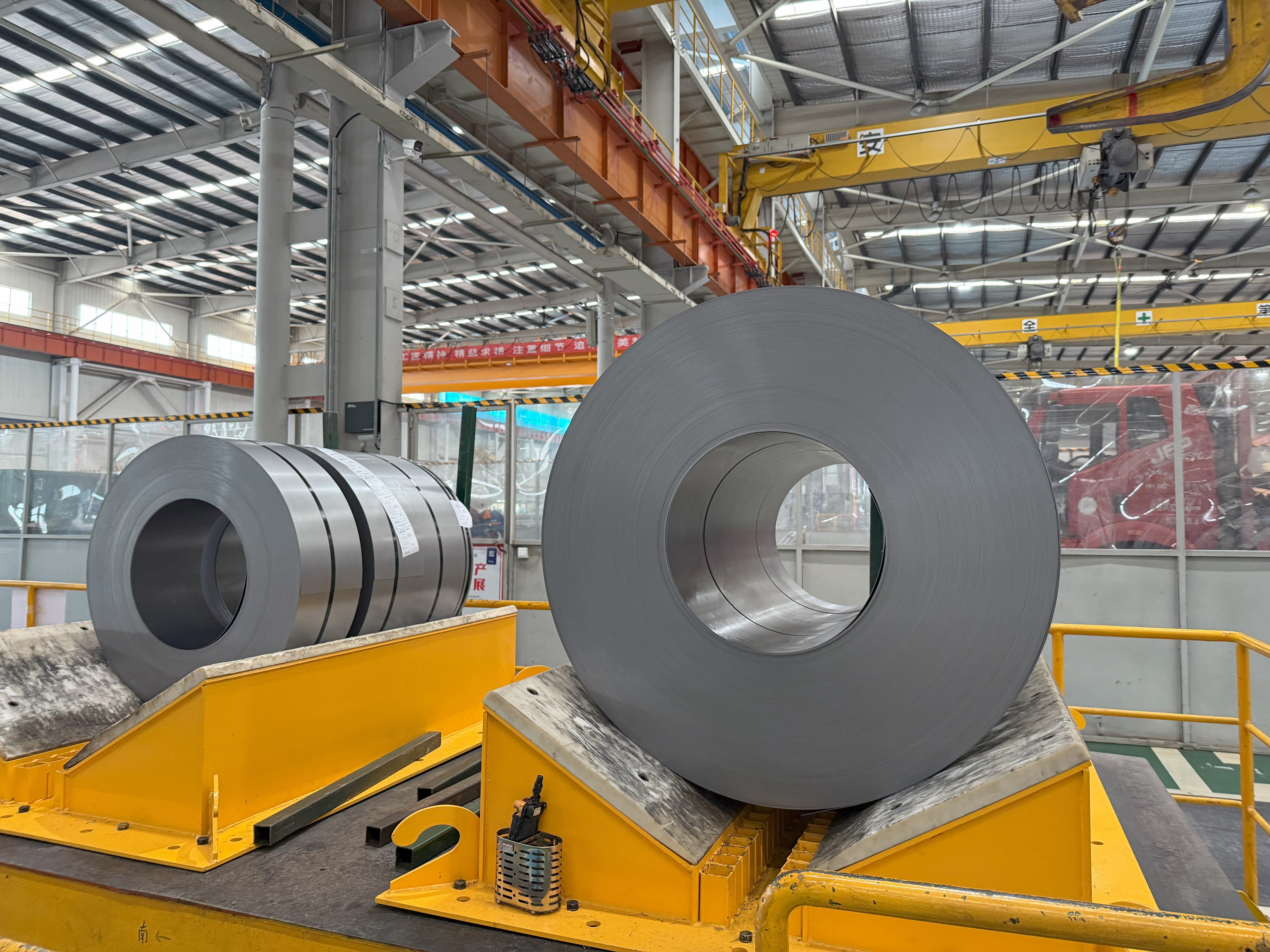
The sixth position is a format decision rather than a coating decision, which is why it is ranked last: it can be applied on top of Picks 1–5. MESCO supplies aluminized steel from 600 mm to 1500 mm in width as coil, sheet, strip or plate, so a line that blanks or roll-forms wide parts can be fed from one wide coil instead of joining narrow ones.
That matters most in automotive shield and body panels and in long HVAC casings, where a seam is both a corrosion point and a labour step. Wide coil also simplifies nesting for fabricators cutting several part widths from one master coil.
Boundary: wide coil depends on mill width capability and is normally a made-to-order item rather than stock, so the width has to be planned before the release date. If the part is narrow, buying a wide master coil and slitting it is a cost decision, not a quality improvement.
Comparison table: six picks on the dimensions that decide a purchase order
The table restates the six picks on the attributes a buyer actually releases. Thickness and width are the customizable envelopes MESCO offers; coating weights follow the AS80–AS300 range in MESCO's published product data. Stock status refers to standard specifications, not to every tier.
| Pick | ASTM A463 type | Coating weight | Thickness | Width | Primary service fit | Supply note |
|---|---|---|---|---|---|---|
| 1 | Type 1 (Al-Si) | AS240–AS300 | 1.5–3.0 mm | 600–1500 mm | High-heat exhaust, thermal panels | Made to order; confirmed at quotation |
| 2 | Type 1 (Al-Si) | AS150–AS200 | 0.8–1.5 mm | 600–1500 mm | Exhaust shells, shields, brackets | Standard spec: 3–7 working days |
| 3 | Type 1 (Al-Si) | AS120–AS180 | 0.4–1.0 mm | 600–1500 mm | HVAC heat exchangers, furnace internals | Standard spec: 3–7 working days |
| 4 | Type 2 (pure Al) | AS150–AS200 | 0.5–1.2 mm | 600–1500 mm | Underbody, outdoor casing, weather-exposed parts | Standard spec: 3–7 working days |
| 5 | Type 2 (pure Al) | AS80–AS120 | 0.37–0.8 mm | 600–1500 mm | Indoor ducting, panels, casings | Standard spec: 3–7 working days |
| 6 | Type 1 or Type 2 | AS80–AS300 | 0.37–3.0 mm | 1250–1500 mm | Wide blanking, long panels, coil-fed lines | Made to order |
Step-by-step: locking the specification before you order
The six picks are starting points. Turning one into a released order takes five steps, and doing them in order prevents the most expensive error in this category — a correct grade written at the wrong coating weight.
- Step 1 — Fix the peak metal temperature. This decides the ASTM A463 type. Any sustained elevated-temperature duty points to Type 1; ambient service points to Type 2. Treat the 677 °C reference as the standard's upper boundary, not as a target to design against.
- Step 2 — Set the exposure, then the coating tier. Map the environment to the AS80–AS300 range. Light indoor exposure sits at AS80–AS120, general atmospheric exposure around AS150–AS200, and high-temperature or long-interval service at AS240–AS300. Write the tier, not just the type.
- Step 3 — Fix the gauge and the forming route. Thickness runs from 0.37 mm to 3.0 mm. Because aluminum-based coatings change forming and joining behaviour compared with uncoated steel, the fabricator should confirm the bend radius, welding process and any coating removal at weld zones before the tier is frozen.
- Step 4 — Fix the format and width. Coil, sheet, strip or plate, from 600 mm to 1500 mm wide. Decide whether the part will be blanked from wide coil or formed from slit strip, since that choice sets both the width and the delivery route.
- Step 5 — Require the evidence before release. Ask for the laboratory-verified data on chemical composition and mechanical properties, for the type, coating weight, base-metal grade, thickness and width to appear on the order documentation, and for a stock or production confirmation with the delivery estimate. MESCO tests key performance indicators in its laboratory precisely so this step can be answered with data rather than assurance.
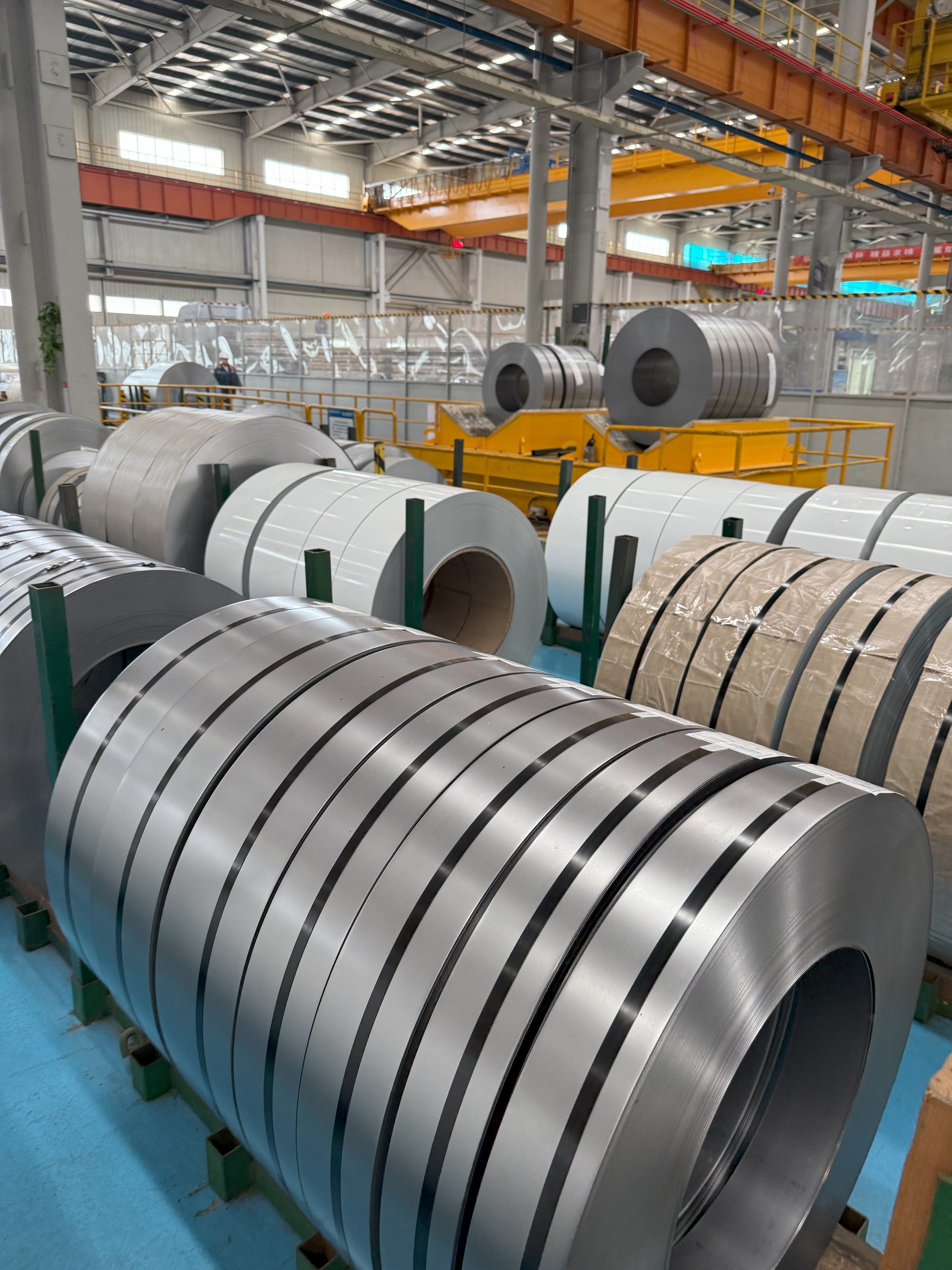
Where these grades are used
An exhaust fabricator typically runs two picks side by side. Hot-end parts take Pick 1 or Pick 2 in Type 1, while brackets, hangers and shields outside the gas path take Pick 4 in Type 2. Ordering both on one purchase order keeps the specification discipline intact and avoids the common failure where a heat-resistant grade is used on a part that only needed corrosion protection.
An HVAC manufacturer usually runs three: Pick 3 for heat-exchanger and burner-side components, Pick 5 for indoor casing and ducting, and Pick 4 where equipment is installed outdoors. The split is worth writing into the drawing set, because casing and core are often released together and then specified identically by habit.
An automotive tier supplier building mixed programmes tends to standardize on Pick 2 plus Pick 4, then add Pick 6 where blanking from wide coil removes a weld. Buyers working in more than one of these families can combine picks within the 0.37–3.0 mm and 600–1500 mm envelope, which reduces the number of suppliers on the approved list without collapsing distinct specifications into one.
Limitations this ranking does not resolve
The guide ranks documented characteristics and their application logic; it does not supply comparative field-performance data. No corrosion-cycle test results, no high-temperature endurance results and no forming trials are quoted here, so a buyer should not read a rank position as a measured performance claim.
No price, MOQ or freight benchmark is quoted either, for the reasons set out above. Where aluminized steel is evaluated against 304 stainless steel on heat resistance and cost, that comparison is only meaningful once the service temperature, atmosphere and duty cycle are stated for both materials; otherwise the two are being compared on different duties.
Finally, suitability always depends on the buyer's own validation — forming, welding, coating adhesion and the specific service environment. The picks narrow the specification space; they do not replace the sample test or the release inspection.
Evaluating a grade for an exhaust, HVAC or automotive programme? Send the specification line — type, coating weight, base-metal grade, thickness, width and format — to MESCO for a stock check and quotation. Standard specifications are held in stock with delivery in 3–7 working days, and custom tiers are scheduled and confirmed at quotation.
Download the MESCO STEEL catalogue (PDF) for the full product range.

FAQ: aluminized steel sheet selection
Is MESCO aluminized steel supplied to ASTM A463 Type 1 and Type 2?
Yes. MESCO's aluminized steel range covers both ASTM A463 coating types: Type 1 aluminum-silicon for heat resistance and Type 2 pure aluminum for atmospheric corrosion. Published coating data list coating weights from 80 to 300 g/m², which covers the AS80 to AS300 tiers used in this guide. Chemical composition and mechanical properties are tested and verified in MESCO's laboratory. For each order, confirm the type, coating weight, base-metal grade and gauge on the order documentation before release.
Can thickness and width be customized?
Yes. MESCO customizes aluminized steel from 0.37 mm to 3.0 mm in thickness and from 600 mm to 1500 mm in width, supplied as coil, sheet, strip or plate. Standard specifications are held in stock; non-standard coating tiers, gauges and widths are produced to order, and the schedule is confirmed at quotation.
Which configuration keeps cost under control?
No price benchmark is quoted in this guide, because aluminized steel pricing is order-specific and moves with coating tier, gauge, width, quantity, freight and destination. The cost-control rule is to match the specification to the service: Type 2 AS80–AS120 is the lightest option for formed indoor panels, while Type 1 AS240–AS300 should be reserved for parts that genuinely run hot. Request a quotation with the exact specification line so that tiers are compared on the same basis.
Can I evaluate a sample before placing an order?
Yes. Rapid sample development is part of MESCO's service. Send the specification line — type, coating weight, base-metal grade, thickness, width and format — together with the forming or joining process the sample must survive, so that the sample you test matches the material you will buy.
What is the delivery time for standard and custom specifications?
Standard specifications are held in stock in tens of thousands of tons and are typically delivered in 3–7 working days. Custom coating tiers, non-standard widths and heavy gauges are scheduled per order and confirmed at quotation. To start a stock check or quotation, send your specification line to MESCO at mesco@mescogroup.com.cn or +86 151-3456-5556.
Conclusion
The six picks reduce a confusing category to one decision sequence: temperature decides the ASTM A463 type, exposure decides the AS80–AS300 coating tier, and the part decides the gauge and width inside the 0.37–3.0 mm and 600–1500 mm envelope. Type 1 carries heat-critical exhaust and furnace-side work; Type 2 carries atmospheric corrosion duty; wide coil is a format choice layered on top of either.
What makes the list usable rather than theoretical is the supply evidence behind it. MESCO tests key performance indicators in its laboratory, holds tens of thousands of tons of stock for standard specifications, delivers in 3–7 working days, and exports to more than 100 countries with over 700 clients served since 2007. Specification discipline and a verified supply route belong in the same decision — one without the other leaves the project exposed.
Have Questions or Need More Details?
Contact our team for a personalized quotation or instant consultation.
Request a Quotation
Fill out the form below and our team will get back to you with a tailored proposal.
WhatsApp Direct Chat
Prefer to chat in real-time? Message us on WhatsApp for instant assistance & quick answers.
- Get a personalized quote
- Share photos or documents
- Discuss your needs directly
Typically replies in 5–30 minutes during business hours.