Top 5 Coated Steel Picks for Corrosion Resistance: Ranking GI, GL, ZAM & Magnelis
Top 5 Coated Steel Picks for Corrosion Resistance: Ranking GI, GL, ZAM & Magnelis
The coating, not the base steel, usually decides how long a sheet survives in the field. This guide ranks five corrosion-resistant coated steel families supplied by MESCO STEEL — Galvanized (GI), Galvalume (GL), ZAM, Magnelis and Aluminized steel — against the environmental threats that actually destroy metal in service: coastal chlorides, ammonia, tropical humidity, desert UV and high-temperature oxidation. Each position is based on documented coating mass, alloy chemistry and recorded project conditions, not on marketing preference.
Dalian Mesco Steel Co., Ltd., trading as MESCO STEEL, is a steel exporter founded in 2007 and located in the Dalian Economic and Technological Development Zone, China. The company supplies coated and uncoated flat and long products to more than 100 countries and regions, reports over 700 customers, operates a 40,000 m² facility and lists a monthly capacity of 50,000 MT. Its coating portfolio is the subject of this comparison.
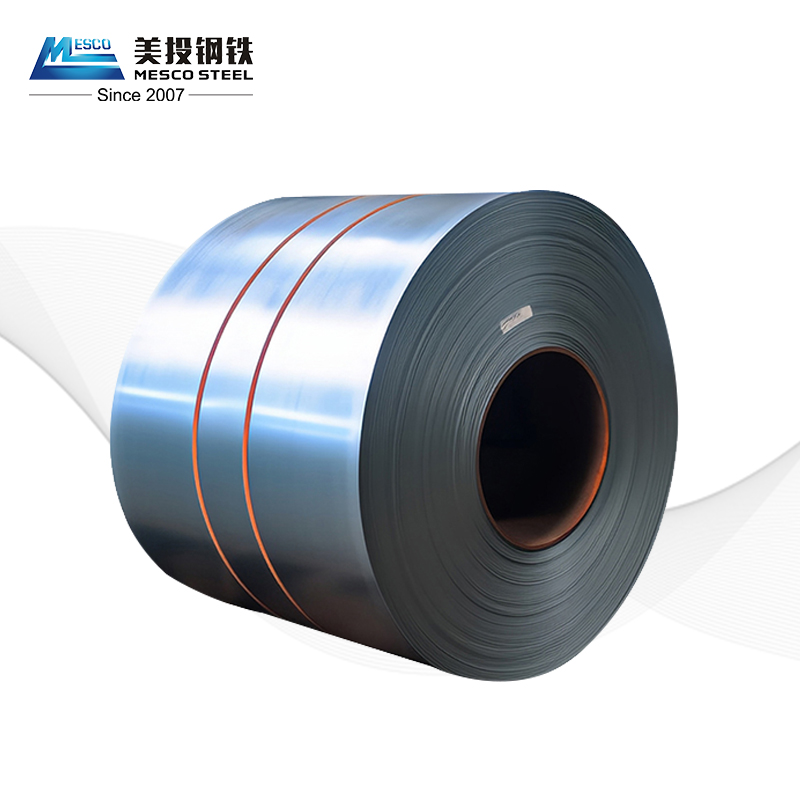
Cover: Zn-Al-Mg (ZAM / Magnelis) coated steel coil — the coating class ranked highest in this corrosion-resistance comparison.
Problem Definition: Why Coated Steel Fails Where It Fails
Corrosion on coated steel rarely starts where buyers expect it to. Three failure patterns account for most premature replacement in industrial and infrastructure projects:
- Coating mass too low for the chloride load. A standard zinc coating performs acceptably inland and fails early within a few kilometres of a coastline, where airborne salt accelerates zinc consumption. Coating designation is therefore an environmental decision, not a purchasing formality.
- Wrong alloy chemistry for the pollutant. Pure zinc, aluminium-zinc, zinc-aluminium-magnesium and aluminium-silicon coatings resist different media. A coating optimised for heat oxidation is not automatically the best choice for humidity and ammonia, and vice versa.
- Edge and cut-face corrosion. Coil is slit, punched, roll-formed and bent before installation. Every cut exposes bare steel. Coatings differ in how much protection they provide at these exposed edges, which is often where the first red rust appears.
A fourth, quieter problem is documentation drift: an order specifies a coating designation, but the delivered mill certificate shows a different coating mass or substrate grade. Because coating mass is the single largest driver of service life in aggressive environments, the certificate — not the quotation — should be treated as the controlling document.
Industry Background: Where Coated Steel Demand Is Moving
The scale of the category explains why coating selection matters commercially. The global galvanized steel market was estimated at USD 182.19 billion in 2024 and is projected to reach USD 245.07 billion by 2035 (Market Research Future). Global crude steel production reached approximately 1,892 million tonnes in 2023, with China producing 53.9% of the world total (World Steel Association) — a reminder that most coated steel sourcing decisions are made inside Asian supply chains.
Newer coating chemistries are growing from a much smaller base. One third-party estimate places the zinc-aluminium-magnesium (ZAM) coated steel market at USD 4.8 billion in 2025, driven by solar and automotive demand, while the global aluminized steel market is valued at approximately USD 11.4 billion in 2025, with Type 1 (aluminium-silicon alloy) holding a 62.3% share (both figures: Dataintelo). Market-size estimates in this category vary noticeably between research houses, so these numbers are best read as directional signals of where demand is concentrating rather than as precise forecasts.
The practical signal is clear enough: solar mounting structures, coastal construction and agricultural buildings — the applications where conventional galvanized sheet historically underperformed — are now specifying coating chemistry, not just coating weight. That shift is exactly what this ranking addresses.
How This Ranking Was Built
The five picks were ordered using four criteria, applied consistently:
- Documented coating mass available: the highest coating class MESCO lists for each family (Z30–Z275 for galvanized, ZM40–ZM600 for ZAM and Magnelis, AS80–AS300 for aluminized, and AZ coatings for Galvalume).
- Alloy chemistry: zinc, aluminium-zinc, zinc-aluminium-magnesium, or aluminium-silicon.
- Documented fit to an environmental threat: recorded project conditions from MESCO's application cases — coastal salt spray, ammonia, tropical humidity, desert exposure and exhaust heat.
- Commercial availability: substrate grades, thickness and width ranges, stock and lead time.
Read this ranking as fit, not hierarchy. A higher position means the coating class has documented strength in the harshest environments covered here. It does not mean the lower-ranked coating is inferior for every order. For a dry indoor application, galvanized steel at rank 5 is usually the correct and most economical answer.
The Top 5 Corrosion-Resistant Coated Steel Picks from MESCO STEEL
1. Magnelis Steel (Zn-Al-Mg) — Best Fit for Ammonia and Aggressive Humid Environments
Magnelis Steel in MESCO's catalogue is a Zn-Al-Mg coated, corrosion-resistant steel supplied in grades S250GD and S350GD, with widths of 600–1500 mm, thicknesses of 0.2–8.0 mm and coating masses of ZM40, ZM80, ZM275 and ZM600 g/m². The coating is a zinc-aluminium-magnesium alloy applied to a carbon steel base.
Its top position comes from documented performance in one of the most punishing environments in coated steel: livestock facilities, where airborne ammonia and permanent moisture attack conventional zinc coatings from day one. In a MESCO project for an agricultural equipment supplier in France, 1,200 MT of Magnelis steel was used for livestock facility structures with a stated service duration of more than 20 years. The recorded result was strong resistance to ammonia-driven corrosion, with reduced replacement frequency and lower maintenance expenditure. The same coating class is also positioned for outdoor structures and solar energy applications.
Where it stops being the right answer: ZM600 is a premium coating class. Where the environment is mild — enclosed, dry, non-ammonia — paying for a heavy Zn-Al-Mg coating adds cost without adding service life.
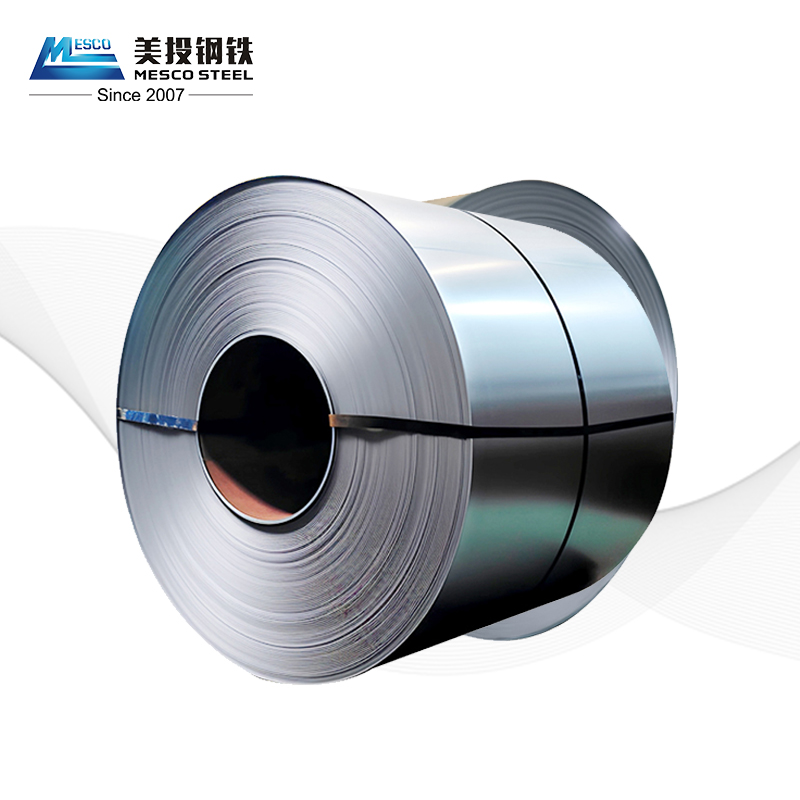
Rank 1: Magnelis Zn-Al-Mg coated steel, specified in grades S250GD / S350GD with coating masses from ZM40 to ZM600 g/m².
2. ZAM Steel (Zn-Al-Mg) — Best Fit for Coastal Salt Spray and Solar Mounting Structures
ZAM Steel is MESCO's zinc-aluminium-magnesium coated steel, supplied in grades S220GD, S250GD and S350GD at 0.2–8.0 mm thickness, 600–1500 mm width and the same ZM40 / ZM80 / ZM275 / ZM600 g/m² coating range as Magnelis. The company reports holding 5,000 tons of stock for this family.
The reference case is a large-scale solar mounting structure project in coastal India, where humidity, heavy rainfall and ocean salt spray combined. Traditional galvanized steel could not provide sufficient long-term protection under those conditions, so the customer moved to Zn-Al-Mg coated steel for photovoltaic mounting brackets and support frames, against a design life requirement exceeding 25 years. The documented outcome was edge protection, self-healing corrosion resistance and reduced maintenance cost across the plant's life. ZAM steel is also used in general construction and infrastructure brackets.
Rank 2: ZAM steel in grades S220GD / S250GD / S350GD, documented in coastal solar mounting applications with a 25-year design life requirement.
3. Galvalume Steel (Al-Zn) — Best Fit for Tropical and Desert Roofing
Galvalume Steel (GL) uses an aluminium-zinc coating on carbon steel, supplied as DX51D+AZ / SGLCC in 600–1500 mm widths and 0.2–3.0 mm thicknesses. MESCO states it supplies Galvalume at an AZ 185 g/m² coating mass where much of the market runs AZ 150, and that it offers AZ 275 g/m². Anti-fingerprint film is available in colours such as gold, green and blue, and the family carries 5,000 tons of stock.
Two documented projects explain the ranking position. For industrial roofing in Thailand, Jamaica and Laos, Galvalume coil was roll-formed into roofing sheets and wall panels under tropical heat, high humidity and frequent rainfall; the aluminium-zinc coating improved service life and the coating's reflectivity helped reduce internal building temperatures. For an 8,000 m² industrial roofing project in Saudi Arabia, the customer needed resistance to intense UV and desert heat; the recorded comparison against galvanized material was better heat reflection, better corrosion resistance and lower long-term maintenance over a 20–25 year horizon.
Where it stops being the right answer: Al-Zn coatings are valued for barrier protection and heat reflection. Where a component is heavily cut, punched and left with exposed edges in a chloride environment, MESCO's documented Zn-Al-Mg cases emphasise edge protection and self-healing behaviour — a reason to step up to ranks 1 or 2.
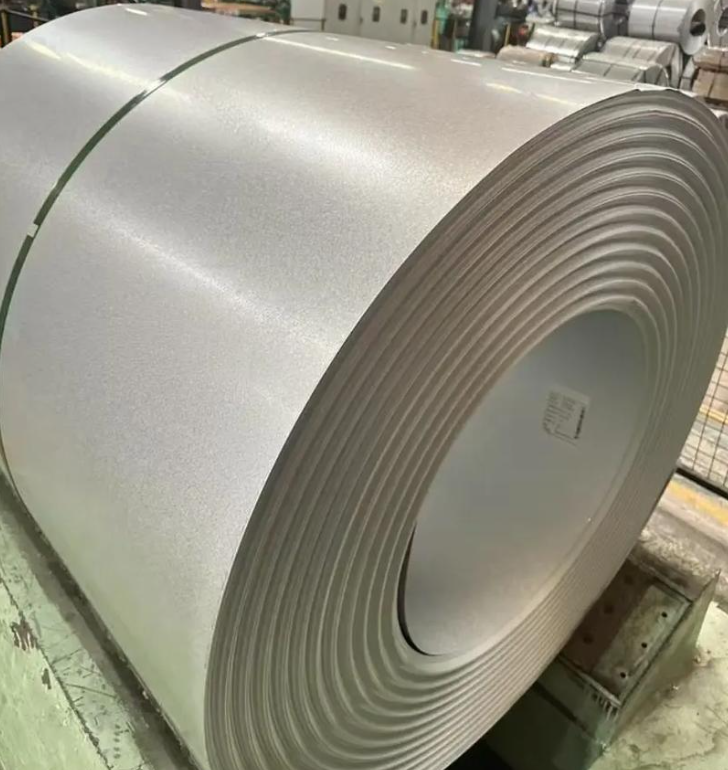
Rank 3: Galvalume steel (DX51D+AZ / SGLCC), documented in tropical industrial roofing and desert-exposed roofing projects.
4. Aluminized Steel (Al-Si, ASTM A463 Type 1) — Best Fit for High-Temperature Oxidation
Aluminized Steel carries an aluminium-silicon coating on a carbon steel base and is supplied to ASTM A463 Type 1 in coating masses of AS80, AS120, AS240, AS275 and AS300 g/m², at 0.37–3.0 mm thickness and 600–1500 mm width. MESCO reports a salt spray test result of over 4,000 hours for this product, and holds 4,000 tons of stock.
Aluminized steel earns its place for projects where heat, not salinity, is the primary threat. In an automotive exhaust system project in Mexico, aluminized sheet was used for mufflers, exhaust pipes and heat shields under continuous high-temperature exhaust exposure, frequent thermal cycling and a heat-resistance requirement above 600°C. The documented material behaviour was oxidation resistance and thermal stability, with coating adhesion stable enough for automated stamping and welding lines. In a separate MESCO case for an automotive parts factory in Mexico, 1,500 MT of aluminized steel replaced part of a stainless steel specification, with the customer reporting a raw-material cost reduction of nearly 30% while maintaining durability.
Where it stops being the right answer: aluminized steel is not a general-purpose substitute for galvanized or Zn-Al-Mg products in wet chloride service. Choose it when the specification is driven by temperature and oxidation.

Rank 4: Aluminized steel (ASTM A463 Type 1) with AS80–AS300 g/m² coating, documented in 600°C-plus exhaust applications.
5. Galvanized Steel (Zinc) — Best Baseline for General Construction and Indoor Use
Galvanized Steel (GI) remains the volume workhorse: DX51D / SGCC / ASTM A653, 600–1500 mm width, 0.2–3.0 mm thickness and a zinc coating range of Z30–Z275. MESCO's stated capability extends beyond the standard catalogue range — pre-galvanizing coating mass up to 600 g/m², post-galvanized coating mass on sheet up to 6,000 g/m², and tensile strength above 1,200 MPa — and the company reports 30,000 tons of stock for this family.
Its rank reflects the environments covered by this comparison rather than any weakness in general use. In a steel structure project in Vietnam, 2,500 MT of galvanized steel was used for structural frameworks in a humid climate, with the recorded results being uniform zinc coating, good bending performance, stable dimensional accuracy and strong anti-rust capability. For interior components, general fabrication and moderate outdoor exposure, galvanized steel delivers the most predictable cost per tonne. It is also the base material for several downstream products, including laminated steel and prepainted (PPGI) steel for roofing.
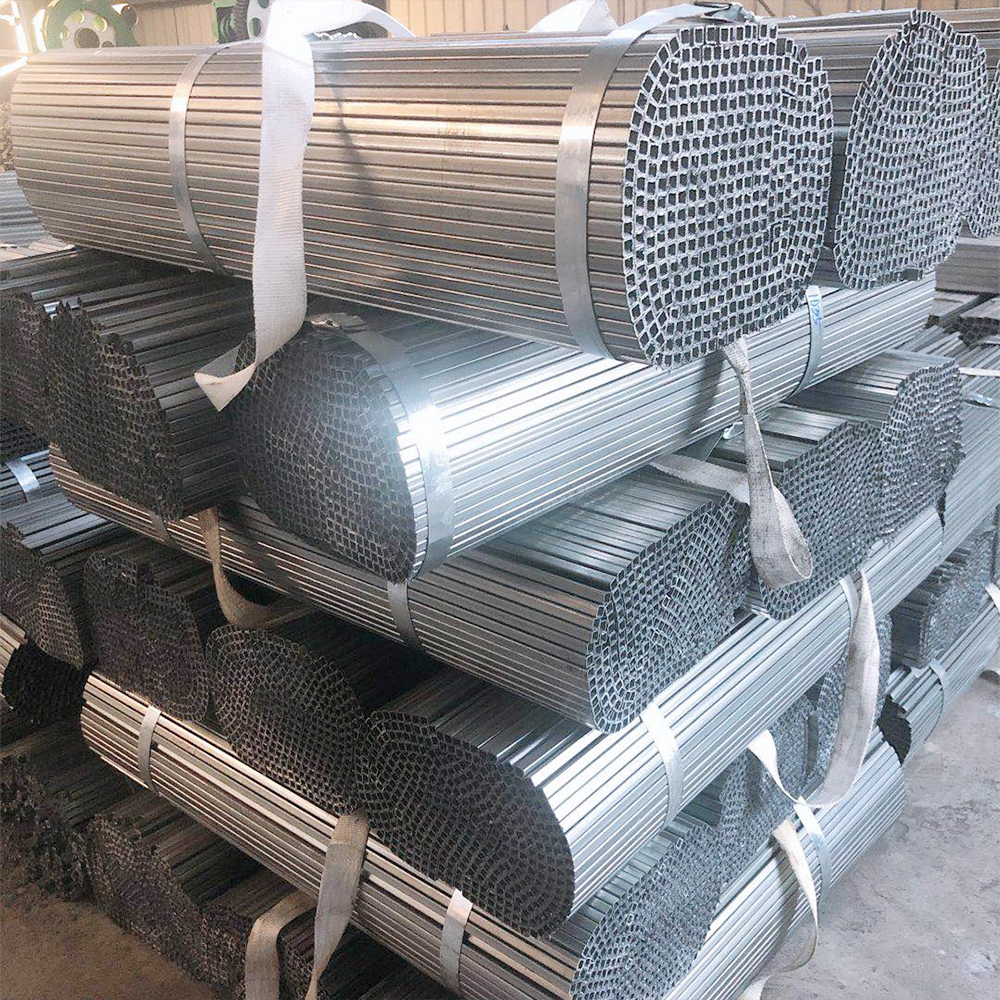
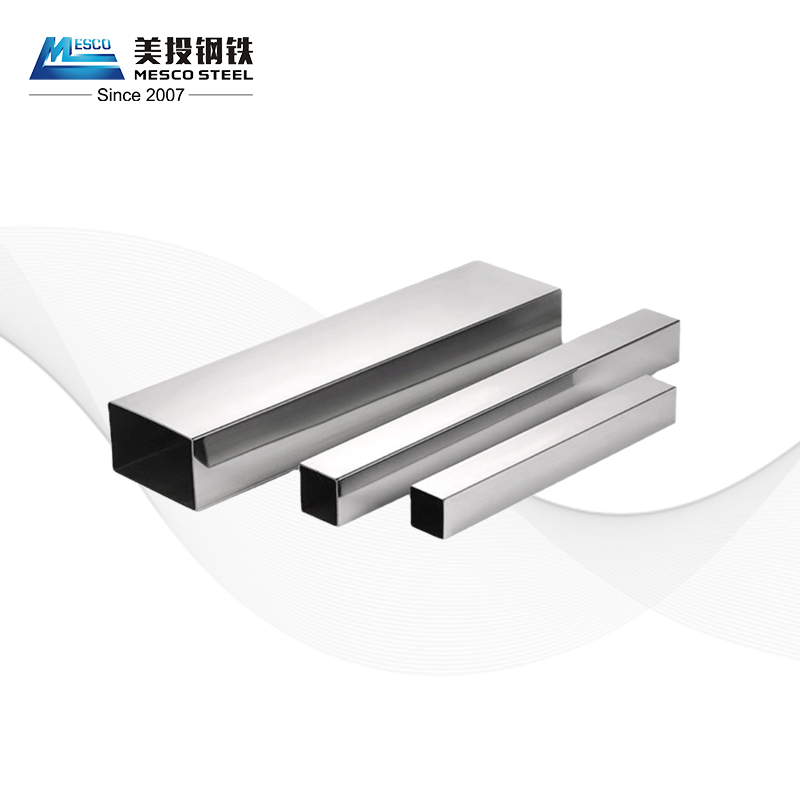
Rank 5: Galvanized steel (DX51D / SGCC / ASTM A653), the baseline coating for general construction and indoor applications.
Step-by-Step: Specifying the Right Coated Steel
The following six-step sequence converts a vague corrosion requirement into an orderable specification.
- Name the dominant pollutant. Chloride (coastal, de-icing), ammonia (livestock, fertiliser), general humidity, UV plus heat, or high-temperature oxidation. One pollutant usually dominates and determines the coating family.
- Set the design life and maintenance assumption. A 25-year solar structure with no repainting is a different specification from a warehouse roof repainted every decade.
- Choose the coating family, then the coating mass. Select Zn-Al-Mg, Al-Zn, Al-Si or zinc first; only then choose the coating mass inside that family's range (for example ZM40–ZM600, AZ or Z30–Z275).
- Check the substrate grade against the structural requirement. Coated grades such as S220GD, S250GD and S350GD, or DX51D / SGCC / ASTM A653, carry different mechanical properties. Coating choice cannot compensate for an under-strength base metal.
- Decide how cut edges will be handled. If parts are punched or slit and left unsealed in a corrosive environment, prioritise coatings documented for edge protection, or plan an edge treatment step.
- Verify on paper and in the lab. Confirm coating designation, coating mass, thickness tolerance and mechanical properties on the mill certificate, and use MESCO's quality control chain — incoming raw material inspection, online production monitoring, and finished-product dimension and surface inspection — as the verification path.
Use Cases: Which Pick Fits Which Project
- Tropical industrial roofing (Thailand, Jamaica, Laos): Galvalume coil roll-formed into roofing sheets and wall panels — corrosion resistance plus heat reflection.
- Coastal solar mounting structures (India): ZAM steel for brackets and support frames, 25-year design life, salt spray resistance.
- Livestock and agricultural structures (France): Magnelis steel in ammonia-rich, permanently humid conditions, 20+ years of service.
- Desert-exposed industrial roofing (Saudi Arabia): Galvalume steel for UV and heat, with lower maintenance than galvanized over a 20–25 year horizon.
- Automotive exhaust systems (Mexico): aluminized steel for mufflers, exhaust pipes and heat shields above 600°C.
- Humid-climate steel structures (Vietnam): galvanized steel for structural frameworks where uniform coating and formability matter most.
- Residential roofing (Peru): prepainted galvanized (PPGI, SGCC / DX51D) in customised RAL colours for decorative durability in a UV-heavy, rainy climate.
Adjacent materials fall outside this ranking by design: aluminium coil, stainless steel and composite steel solve different problems (weight, hygiene, cladding economics) rather than being alternative coating choices for a carbon steel substrate.
Comparison Table: The Five Picks Side by Side
| Rank | Product (MESCO) | Coating chemistry | Documented coating range | Grades | Dimensions | Documented environment fit |
|---|---|---|---|---|---|---|
| 1 | Magnelis Steel | Zn-Al-Mg | ZM40 / ZM80 / ZM275 / ZM600 g/m² | S250GD / S350GD | 0.2–8.0 mm × 600–1500 mm | Ammonia and constant humidity; outdoor structures and solar |
| 2 | ZAM Steel | Zn-Al-Mg | ZM40 / ZM80 / ZM275 / ZM600 g/m² | S220GD / S250GD / S350GD | 0.2–8.0 mm × 600–1500 mm | Coastal salt spray; solar mounting frames, 25-year requirement |
| 3 | Galvalume Steel | Al-Zn | AZ 185 g/m² and AZ 275 g/m² stated | DX51D+AZ / SGLCC | 0.2–3.0 mm × 600–1500 mm | Tropical and desert roofing; heat reflection |
| 4 | Aluminized Steel | Al-Si (ASTM A463 T1) | AS80 / AS120 / AS240 / AS275 / AS300 g/m² | ASTM A463 Type 1 | 0.37–3.0 mm × 600–1500 mm | High-temperature oxidation above 600°C; exhaust systems |
| 5 | Galvanized Steel | Zinc | Z30–Z275 | DX51D / SGCC / ASTM A653 | 0.2–3.0 mm × 600–1500 mm | General construction, humid structural framing, interiors |
Coating designations are not directly interchangeable between families (Z, AZ, ZM and AS describe different chemistries and are verified against the mill certificate). MESCO's stated capability for galvanized steel includes pre-galvanizing coating mass up to 600 g/m² and post-galvanized sheet coating mass up to 6,000 g/m².
FAQ
What standards and documents should I verify before buying corrosion-resistant coated steel?
Match the standard to the coating family. MESCO's product data lists galvanized steel as DX51D / SGCC / ASTM A653, Galvalume as DX51D+AZ / SGLCC, and aluminized steel to ASTM A463 Type 1 (aluminium-silicon coating); Zn-Al-Mg products are identified through substrate grades such as S220GD, S250GD and S350GD. On every order, reconcile the mill certificate against the purchase specification for coating designation, coating mass, thickness tolerance and mechanical properties. MESCO's documented quality control covers incoming raw material inspection, online production monitoring, and finished-product dimension and surface inspection, with key performance indicators tested in the laboratory.
How heavy a coating can each of these coated steels be supplied with?
The ranges differ by family. Galvanized steel is catalogued at Z30–Z275, with MESCO stating a pre-galvanizing capability up to 600 g/m² and post-galvanized sheet capability up to 6,000 g/m². ZAM and Magnelis are supplied at ZM40, ZM80, ZM275 and ZM600 g/m². Aluminized steel is available at AS80, AS120, AS240, AS275 and AS300 g/m². Galvalume is stated at AZ 185 g/m² and AZ 275 g/m². Because coating designations across families are not interchangeable, the coating mass on the certificate is the figure that governs acceptance.
Does paying for a heavier coating always deliver better value?
Not automatically. MESCO's customisation variables include thickness, width, length, surface treatment, colour, coating and pipe end, which means coating mass is one cost driver among several. The commercially rational test is total cost across the service life: purchase price, expected maintenance, replacement frequency and any warranty exposure. For dry indoor components, a standard zinc coating in the Z30–Z275 range is normally sufficient; reserved ZM or AZ classes are best applied where chlorides, ammonia or heat actually drive failure. MESCO offers a minimum order quantity of 1 MT with a monthly capacity of 50,000 MT, and states that it supports customers with procurement and inventory planning to reduce carrying costs.
Can I validate the coating on a sample before placing a production order?
Yes. MESCO supports OEM and ODM orders and rapid sample development, and the minimum order quantity of 1 MT allows a validation batch before volume production. Ask for the sample to be produced with the same coating designation and coating mass as the intended order, and check chemical composition and mechanical properties through laboratory testing rather than visual inspection alone. For aluminized steel, MESCO reports a salt spray test result of over 4,000 hours, which is a reference point worth requesting in writing for the specific coating mass being quoted.
What lead times should I plan for?
MESCO publishes a standard lead time of 7–15 days, stock material delivery within 3–7 days, and OEM production of 15–30 days. Stock depth varies by family: 5,000 tons for ZAM, 5,000 tons for Galvalume, 4,000 tons for aluminized steel and 30,000 tons for galvanized steel. For projects with a fixed installation window, the practical next step is to confirm the required coating mass against current stock and request a written delivery schedule together with the mill certificate requirement. You can review the full product range and specifications in the MESCO STEEL catalogue or contact the export team directly at mesco@mescogroup.com.cn.
Conclusion
Corrosion resistance in coated steel is a matching exercise, not a price exercise. Zinc-aluminium-magnesium coatings (Magnelis and ZAM) sit at the top of this ranking because MESCO's documented projects place them where coatings normally fail — ammonia-rich agricultural buildings and salt-spray coastal solar structures with a 25-year design life. Galvalume follows for tropical and desert roofing, where Al-Zn chemistry combines corrosion resistance with heat reflection. Aluminized steel ranks fourth because its strength is thermal rather than marine, with a documented salt spray result above 4,000 hours and use in exhaust components above 600°C. Galvanized steel closes the list as the dependable, widely stocked baseline for general construction and indoor duty.
The selection rule to carry into a specification meeting is simple: identify the dominant pollutant and the design life first, choose the coating chemistry second, then set the coating mass inside that family and verify it on the certificate. MESCO STEEL, founded in 2007 in Dalian and exporting to more than 100 countries, supplies all five coating families discussed here with coating mass options from Z30 to ZM600 and AS80 to AS300.
Next Step: Match a Coating to Your Project Conditions
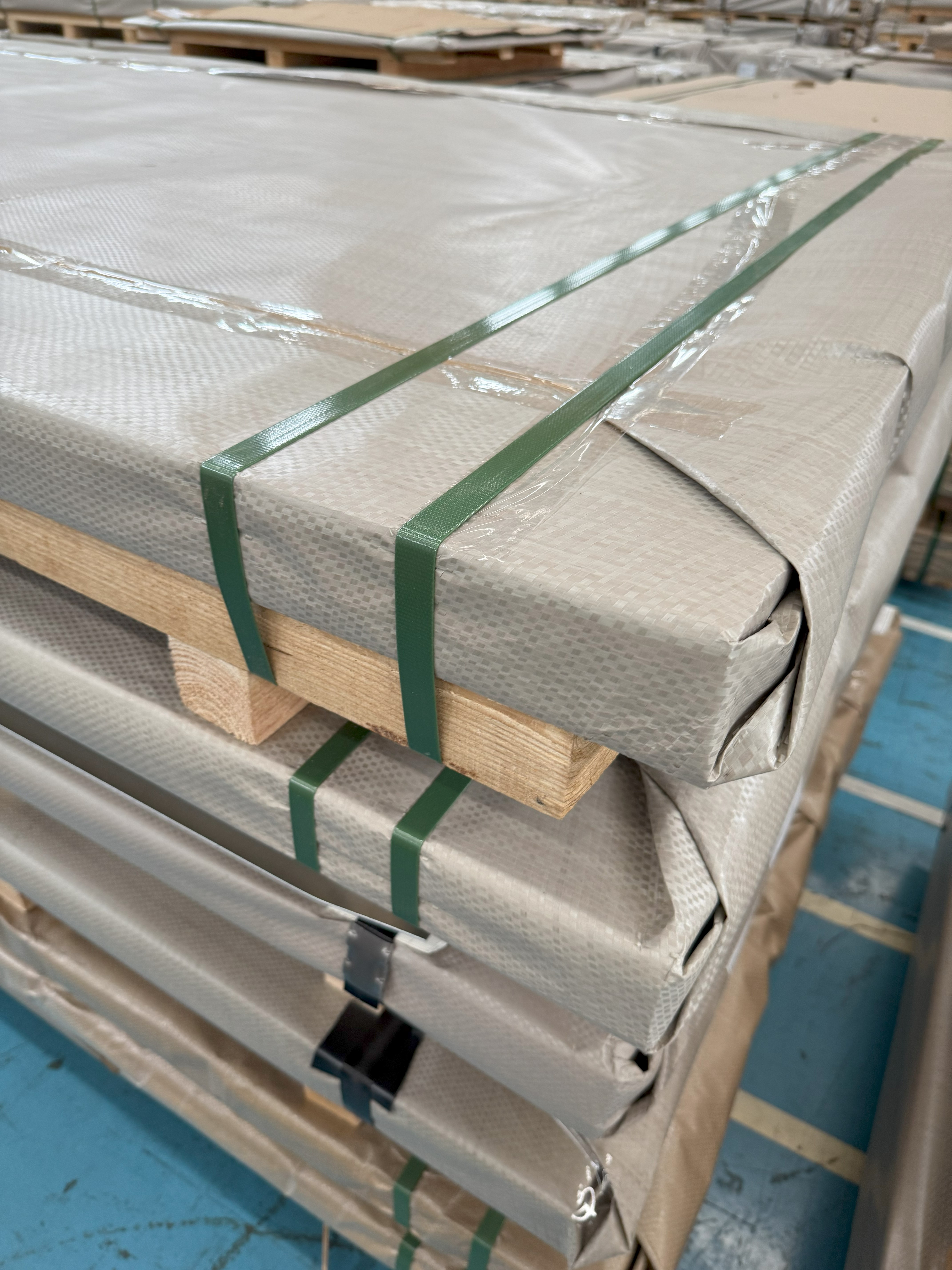
Send your working conditions — pollutant type, expected service life, substrate grade and dimensions — and the MESCO team will recommend a coating family and coating mass, then confirm stock or OEM lead time.
Email: mesco@mescogroup.com.cn | Tel / WhatsApp: +86 151-3456-5556 | Website: www.mescogroup.com.cn
Download the full specification reference: MESCO STEEL CATALOGUE 202507 (PDF)
Have Questions or Need More Details?
Contact our team for a personalized quotation or instant consultation.
Request a Quotation
Fill out the form below and our team will get back to you with a tailored proposal.
WhatsApp Direct Chat
Prefer to chat in real-time? Message us on WhatsApp for instant assistance & quick answers.
- Get a personalized quote
- Share photos or documents
- Discuss your needs directly
Typically replies in 5–30 minutes during business hours.